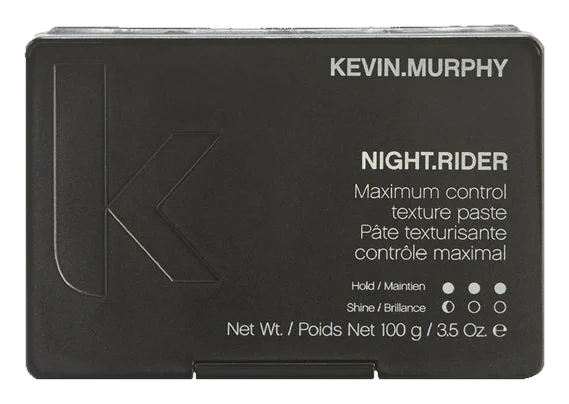
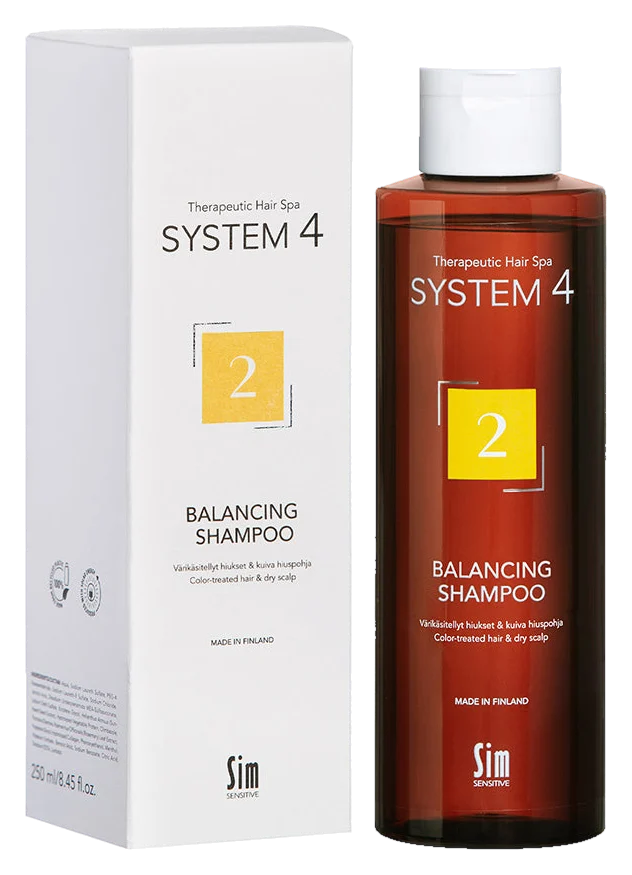
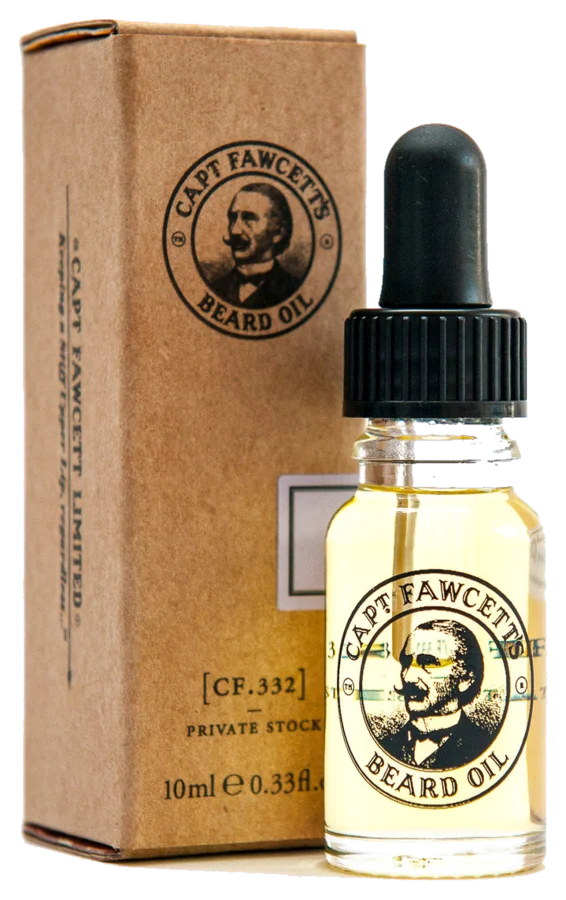
Official supplies. Daily in use at the REMPIRE studio
08.10.2026
Original professional hair care online: why everything at Rempire Shop is 100% authentic
All products at Rempire Shop are 100% original. We are first and foremost a working barbershop, and only then an online store. Our team works every day with these professional brands on clients, and we buy directly from official distributors.
I am a barber and owner of Rempire salon. When you order from us, you get exactly the bottle I handle myself in my chair. Not a fake, not leftovers from the grey market, and not a "too good to be true" discount.
This article explains why this matters so much today. Europe is fighting a serious wave of counterfeit cosmetics and fake online stores. Below you will find:
- official data;
- what lab tests have found in fakes;
- how to protect yourself;
- how we guarantee the authenticity of every product.
Counterfeit cosmetics in Europe: official figures
According to the EU Intellectual Property Office (EUIPO), counterfeits cost the EU cosmetics industry about €3 billion in lost sales annually. That is 4.8% of sector sales and around 32,000 jobs (data from 2018–2021).
- 112 million counterfeit items were seized in 2024. EU authorities intercepted fakes worth about €3.8 billion. The European Commission lists perfumery and cosmetics among typical categories.
- Record value at the border. Customs alone detained about 20 million units worth €1.5 billion. This is the highest in ten years.
- Cosmetics and toys make up 15% of fakes seized at EU borders. EUIPO considers both categories a serious risk to health and safety.
- Many buyers are deceived. In an EUIPO study, 9% of Europeans said they were misled and bought a fake. A third have doubted at least once whether their purchase was genuine.
- The lure is price. In a 2023 EUIPO survey, 31% of Europeans found it acceptable to buy a fake if the original was too expensive. Among 15–24-year-olds, that was 50%.
Counterfeit is not a harmless way to save. EUIPO and Europol link it to organised crime. The first to pay are those who apply such products to their skin and scalp.
Marketplaces and fake online stores: where counterfeits are sold
Today, most counterfeit cosmetics reach people online. They are sold by third-party sellers on major marketplaces and fake websites made to look like real stores.
Two out of three cosmetic purchases on marketplaces are likely fakes
In 2025, the UK consumer organisation Which? bought 34 cosmetic items from third-party sellers. It identified 23 of them (67%) as likely counterfeits.
Platform
Likely fake
Vinted
6 out of 6
TikTok Shop
5 out of 6
eBay
8 out of 11
Amazon
4 out of 11
Counterfeits included well-known brands: Charlotte Tilbury, MAC, La Roche-Posay, The Ordinary. Some looked convincing until opened. One fake setting spray was even sold at a higher price than the official retail, so a high price does not guarantee authenticity.
Regulators now put responsibility on platforms
In 2026, the European Commission fined AliExpress a record €550 million under the Digital Services Act (DSA). Regulators found weak control over illegal and unsafe goods, including contaminated cosmetics. AliExpress said it would appeal.
Fake stores appear and disappear
Europol, the EU police agency, runs an annual operation In Our Sites against websites selling fakes. In one round, over 21,900 domains were shut down. The largest category of seized goods was perfumery (almost 70,000 units), followed by cosmetics (over 22,600).
Consumer organisations warn: fake stores often copy real brands down to the smallest detail. They lure with very low prices and disappear after days or weeks. In the UK, police report that buyers’ personal data is sometimes used to register new scam sites.
What lab tests found in counterfeit cosmetics
Counterfeit is not just a weaker version of the original. It does not pass the safety assessment required for any legal cosmetic in Europe and is often made in unsanitary conditions. Official tests found:
- Heavy metals and carcinogens. Tests by the UK Intellectual Property Office found arsenic, lead, mercury, and carcinogenic beryllium oxide. All are banned in legal cosmetics.
- Animal waste. The same tests found rodent urine and horse manure, showing how dirty production can be.
- Arsenic and lead also in Europe. The Irish Health Products Regulatory Authority (HPRA) found arsenic and lead in fake luxury cosmetics among 728 seized products. It warned of possible harm to kidneys and the nervous system.
- Bacteria in salon shampoo. A shampoo bought outside the salon channel and tested by Paul Mitchell was positive for bacteria that can cause infections.
Real brands also constantly change formulas as EU ingredient rules tighten. From May 2026, 18 more substances are banned or restricted in cosmetics. Counterfeit makers ignore all this.
At the salon, we see weekly what happens with unsuitable products: irritated scalp, faded colour, hair that won’t hold style. Original professional care is made to work and safety-tested.
Salon brands and the grey market
Professional hair care has a second problem besides outright fakes: "leakage" or the grey market. This is when products meant only for salons leave the official supply chain and end up with sellers the brand never approved.
Paul Mitchell bottles have a clear warning: the product is "guaranteed only when sold by a professional hairdresser". The brand has long warned that products bought elsewhere may be old, stolen, fake, or opened. Resellers often t